John
John
by New Worker correspondent
Monday saw the launch of a 10- year industrial strategy by the Starmer government. It promises much without giving any hostages to fortune. Beyond the predictable buzzword bingo terms such as “agile, smart and fair approach to navigating a fragmented, geopolitically volatile, and tech-driven world” it contains much to beware of. It wants stronger connections with the EU energy market, which is part of Starmer’s plans to reverse Brexit, and higher military spending. Talk of reducing “regulatory burdens” will be music to the ears of dodgy businesses as will the fact that Corporation Tax will be limited to 25 per cent. Nothing is said about environmental safeguards, and there were very few references to unions in the document, and that only after mentioning businesses.
The main unions with members in manufacturing industry were broadly favourable. United said it was a good first step but more needed to “go further” and focus more on job creation. One of these was improving the energy system and costs, which can only be achieved by nationalisation, starting with the National Grid.
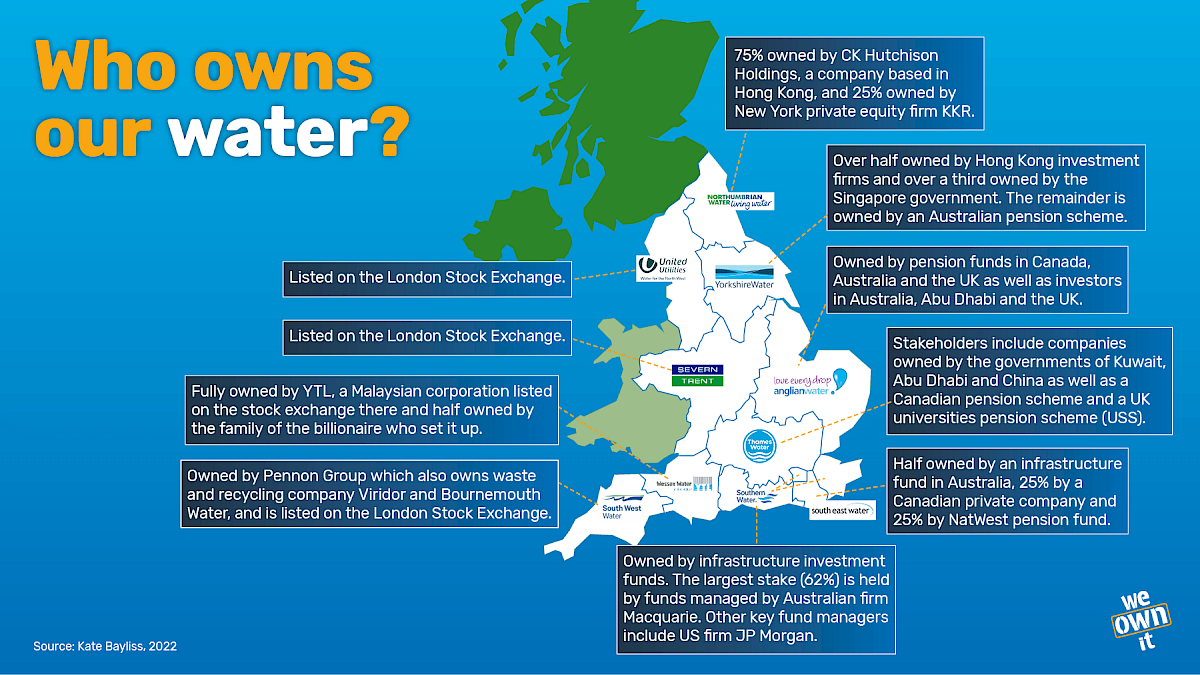
Another cause for complaint was that the plan needed to be implemented before the planned date of 2027 and afterwards. Sharon Graham, the Unite general secretary, said her union “would like to have seen the government go further. Our energy system is broken beyond repair; it will never function in the interests of business and consumers until it is brought back into public ownership.”
She also said the Government needs “to deal with the decisions to be made in the here and now that affect jobs, like the decision to buy British Typhoons [warplanes] and a clear plan for Grangemouth”.
GMB took a less critical view. General Secretary Gary Smith said: “This is a big step forward. Businesses across the country were left to wither and die as Conservative governments failed to deliver an industrial strategy for the UK. This is a great opportunity to rebuild our industry, save iconic homegrown sectors like our potteries, and bring good jobs home.”
He cautiously added that “as ever, the devil will be in the detail, but at long last we have a grown-up strategy that will allow industry to thrive”.
Community union’s Assistant General Secretary, Alasdair McDiarmid, was also positive. “We welcome the launch of the industrial strategy today, which represents a big step in the right direction after long years of neglect and inertia under the previous Conservative Government.”
Optimistically adding: “It’s clear that we now have a government which is serious about revitalising Britain’s manufacturing base and delivering growth across the nations and regions of the UK.” As might be expected he welcomed outdoor relief for the steel industry, but that might be a bit too late.
Prospect also joined in the applause. General Secretary Mike Clancy said: “There is much to welcome in the strategy, including the focus on developing high growth sectors like energy, defence, tech and the creative industries, and on creating high wage jobs in every region and nation.”
Curiously the TUC had nothing to say, only the Welsh TUC expressed approval. Perhaps that is because many public sector unions will not be delighted about the increase in military spending that is an important component of the plan which may or may not be translated into action.