John
John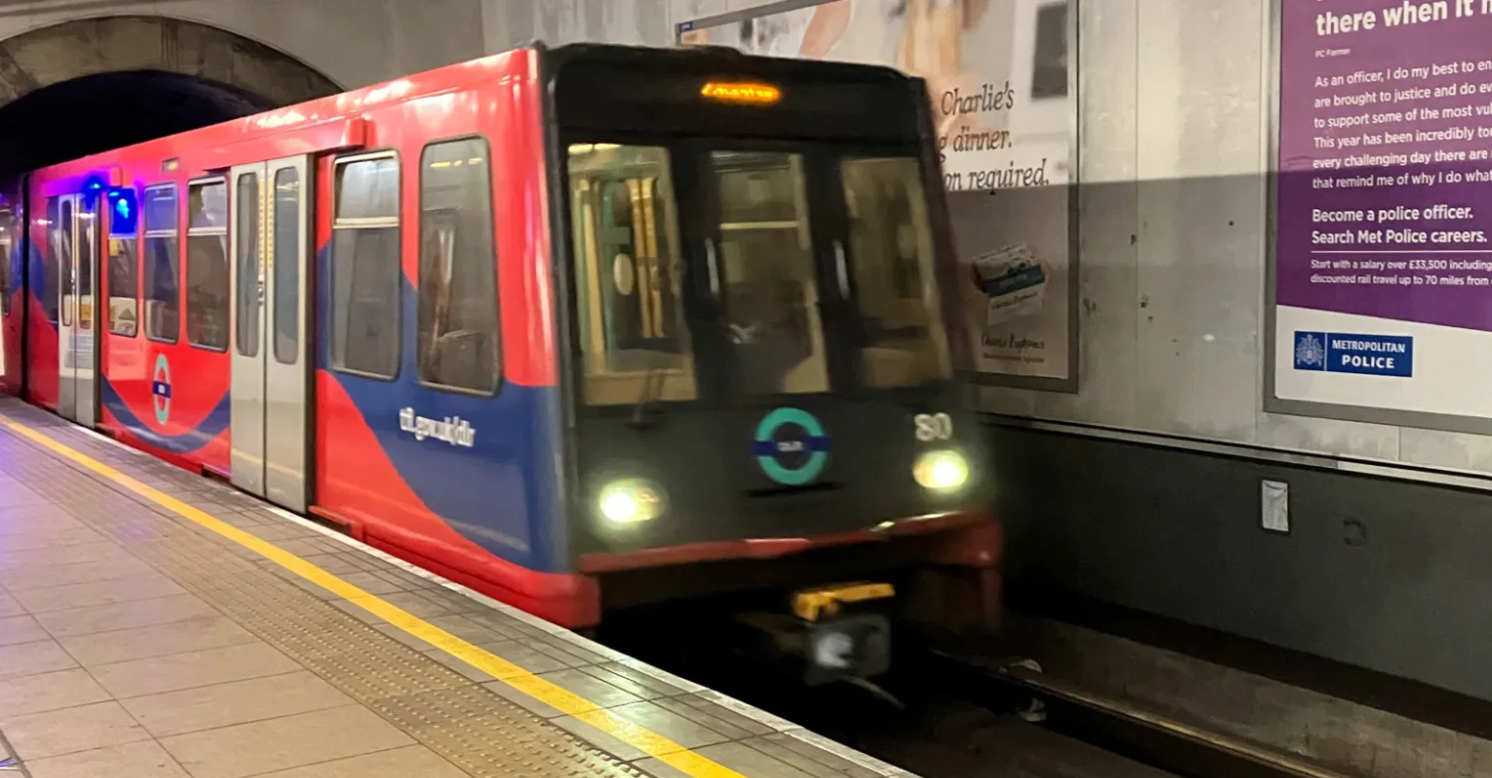
by New Worker correspondent
Once again it is the transport sector where most of the industrial action is taking place.
On east London’s glorified tram system, the Docklands Light Railway (DLR), cleaners went on strike last Thursday in dispute over the lack of sick pay.
Transport union RMT points out that while other contractors on DLR offer company sick pay to its staff Bidvest Noonan, which employs the cleaners, refuses to do so. This is despite RMT raising the question six months ago.
Just before the cleaners walked out RMT General Secretary Eddie Dempsey said: “Bidvest Noonan on the DLR have behaved appallingly and not made any offer on company sick pay that is remotely acceptable.
Their refusal to engage properly with the union shows the contempt local company representatives have for their staff who do a vital job on DLR.”
This is yet another example of the need to bring in house outsourced workers and cut out parasitical private companies that do nothing but pass on the alleged savings to shareholders.
Another long-running railw dispute is that on CrossCountry, the Birmingham-based rail company where RMT members are taking strike action on all four Saturdays in December.
The union states it has spent over four months in fruitless negotiations with CrossCountry over long-running issues on pay and staffing. Eddie Dempsey said: “CrossCountry has not dealt with the core issues in this dispute and has come back with a proposal that is worse than what was already on the table.
The company must return with a serious offer that meets the commitments it has already made and treats our members with the fairness and respect they deserve.”
Also on the railways, RMT is having to reopen its longstanding opposition to Driver Only Operation (DOO) trains. This time the battleground is Chiltern railways.
DOO is strictly when the only staff member on a train is the driver. In this case the driver is responsible for opening and closing doors. This works with centrally controlled doors and on-board cameras.
While RMT is firmly opposed to DOO, the drivers’ union ASLEF was previously happy enough and did not support RMT’s SWR struggle but is now more supportive. Last year ASLEF’s Mick Whelan declared: “The train drivers who do it, hate it, feel it’s unsafe. We believe it’s inherently unsafe.”
Since the 1980s it has been used on some routes and is the norm on 45 per cent of British train journeys and most of the shorter ones. The Office of Rail and Road claims that DOO “Fully meets legal requirements for safe operation”.
In response to Chiltern’s plans RMT refutes the notion that it is simply about who opens and closes doors. A second safety critical person performs onboard train services including, providing passenger assurance, deterring anti-social behaviour, co-ordinating responses to incidents, emergency evacuation and dealing with fires.
The mass stabbing on the LNER service at Huntingdon reminds us of the importance of proper staffing. RMT states the lesson of that incident is clear: “There are DOO services that run on that line and if the incident had taken place on that type of service, it could not have been resolved as quickly, putting passengers further at risk,” warning that: “Our members will take industrial action, if necessary, to defend the role of the safety critical second person onboard trains.”
Further north on the Transpennine Express, Operations Managers belonging to the small Transport Salaried Staff Association (TSSA) voted 100 per cent for industrial action. The issue is the stubborn refusal of a decent on-call, overtime and compensatory time off in lieu (TOIL) package to staff in the roles of Driver Managers, Operational Development Managers and Driver Operations Managers.
On announcing the action Maryam Eslamdoust, the union’s General Secretary, said: “The company must now move at pace to make an improved and reasonable offer which meets the aspirations of our members. Our members work extremely hard to keep rail services running safely and efficiently.” She added, not unreasonably: “They deserve fair recompense for the impact that their on-call duties have on their home lives. Multiple times a year, whilst on call, they are expected to be available 24 hours a day, responding to what are often traumatic situations.”
The action, which includes both strikes and action short of a strike, started on the last Tuesday will cover the next three Fridays to Mondays.