John
John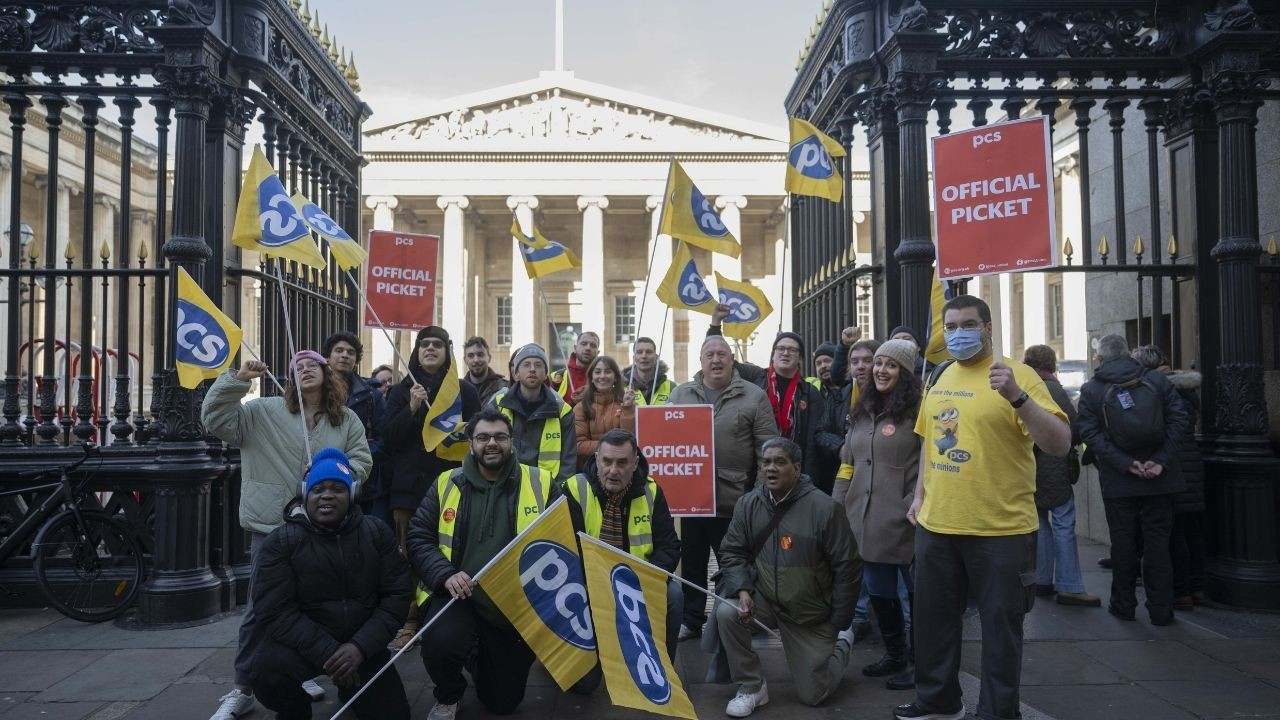
Staff at the London Museum are taking strike action over a pay claim originally submitted last March but not responded to until September. The museum is closed to the public pending a move to greatly expanded premises in the old meat market at Smithfield but it will re-open later in the year.
At the museum the workers’ union, Prospect, says Management is making misleading statements about the offer when they claim it was worth 5.5 per cent. But this only applied to a small number of low-paid workers on the London Living Wage, which in any case rose by 5.3 per cent. This and two other subsequent offers were rejected. Management then imposed their final offer, which led to the ballot. Some 88 per cent of Prospect members voted for strike action with more, 94 per cent, also voting for action short of a strike.
Deputy General Secretary Steve Thomas said: “The museum has behaved poorly throughout the course of these negotiations with unacceptable delays and stalling tactics, leaving staff increasingly out of pocket due to inflation. Our members have worked tirelessly for the museum as it seeks to open its new flagship site later this year. The offer which has been imposed is poor reward for such dedication and demonstrates how undervalued by their employer London Museum staff truly are.”
At the Tate Gallery (that’s where a pile of bricks and an unmade bed count as art) members belonging to PCS have declared victory after taking part in strike action in late November and early December. The action affected the two London venues and its Liverpool and St Ives branches.
The PCS union rejected a three per cent pay offer that was lower than the Civil Service Pay Remit. Access to the civil service pension scheme was also withdrawn for new starters and replaced with an inferior plan. Further action planned for the first three weeks of this month was called off at the last minute however, meaning that an exhibition including the famous unmade bed will open uneventfully.
On Monday PCS announced that the struggle, which saw up to 200 people on the picket line, had resulted in a 125 per cent increase in membership at the Tate. We hope this is maintained.
Just before the latest round of strike action was due to start, Management made some final alterations to its offer, including a consolidated pay offer which is 50 and 80 per cent higher than the original offer. They also agreed to restore subsidised staff canteens. Promises have also been made for further consultations on matters such as improved installation schedules and better rest provision.
General secretary Fran Heathcote said: “Our members were prepared to take further strike action, and that pressure forced the employer to come back with a far stronger offer than was originally on the table.
“Crucially, this dispute has delivered major, tangible wins for our members, including the return of subsidised hot meals in Tate canteens, something that was wrongly taken away last year and had a real impact on staff well-being.
“No deal is perfect, but PCS will hold the Tate to every commitment made and continue pushing for further improvements in future pay talks.”
Up north, what history might recall as the last miners’ strike in Britain continues at the National Coal Mining Museum in Wakefield where 40 museum guides have been on strike since late
August 2025 over a pay rise of £1 per hour that was later retracted and reduced to 80 pence by the museum, and even this was reduced to 62 pence per hour in October.
The museum refuses to negotiate – not even through con ciliation service ACAS. Unison says it would only take £10,000 to restore the original offer.
In November the local Labour-run council recently withheld grants to the Museum in solidarity with the striking workers, which meant a further loss of £15,000. Recently workers voted to extend their strike until June after being threatened by Management that they could be investigated and potentially disciplined over their behaviour on the picket line after returning to work.
Seemingly as part of the dispute a former miner employed as a health and safety manager was sacked allegedly due to a lack of flexibility, but he claims it was due to him raising awkward questions as part of his job.
Unison also accuses Management of “spending thousands of pounds on abusive private security guards, at a far greater cost than simply settling the dispute”.
by New Worker correspondent