John
John
OUTSOURCING is also in the news at the north London borough of Enfield where the GMB is up in arms at efforts to move nine outsourced council jobs administered by NSL out of the borough to distant Rochdale and Inverness where the task of monitoring CCTV will be carried out in future. This, say GMB will take jobs and tax revenue out of Enfield, and the remote workers will have no essential local knowledge.
GMB’s London regional organiser, Mary Goodson, said “it is inexcusable for these jobs and local council tax revenue to be moved out of the borough, and it raises serious questions about where these relocation plans will end. This is some of the clearest evidence we’ve seen to date of a two-tier system, where outsourced workers’ terms and conditions are less favourable than inhouse council staff”. True enough, but it is also a warning to some trade union advocates of working from home. They might just get it and find that the homes people work from are in Manila and Bangalore.
The same union is faced with a much larger nationwide battle against outsourcing at struggling supermarket chain Asda where 3,500 cleaners will be outsourced to Bidvest and NIC Cleaning Services. Late last month Asda boasted it had returned to growth for the first time in ages. It is now owned by private equity firm TDR Capital who in January awarded top bosses a £31 million pay packet at a time when it reported a loss, so obviously something needs to be done to cut costs, and what better way to do so than get rid of low paid workers who will be at the mercy of new noses to the grindstone employers.
GMB organiser Rachelle Wilkins said “this is detestable behaviour from Asda. Outsourcing companies have a proven track record of slashing pay terms, conditions and even jobs as soon as they have their feet under the table. “Now loyal, hardworking cleaning staff will be worried sick about whether their job will still pay the bills or whether the axe will fall on them”.
In April GMB asked Asda if there was any further planned outsourcing to which Asda categorically replied ‘no’. As a result, says Wilkins: “Morale in stores is already at rock bottom. GMB calls on Asda to halt this process now – at least until the other consultations are finished – and consider what is best for its customers and staff”. It is to be hoped that GMB will take some action to oppose outsourcing rather than complain about it.
However help is on its way. RMT and Unison have got together to optimistically demand that new the Prime Minister implement Labour’s 2024 election promise to deliver “the biggest wave of insourcing for a generation”. There’s not been much insourcing in recent decades, that will not be difficult, but as Burnham has, so far, spent his time in office backtracking on his other promises the unions will have a fight on their hands.
Outsourcing which boost the profits of multinational companies by the simple expediency of driving down wages of unskilled and semi-skilled often essential workers. It results in decline of quality of public services. In the good old days when hospital cleaners were directly employed by the NHS on decent wages, they took pride in their work. If there were any shortcomings Matron gave them a bawling to get it speedily sorted out. Nowadays very underpaid cleaners have increased workloads and uncertain shifts and employment prospects doled out by multinational companies who are more interested in the balance sheet than the number of germs.
The unions are rightly sceptical of Labour’s claim that “the age of outsourcing is over” as such contracts are still being signed. Just last month the Financial Times reported that a record £456 million civil service training contract had been award by the Cabinet Office to giant accountancy firms KPMG and EY. That is clearly something the civil servants ought to be doing themselves.
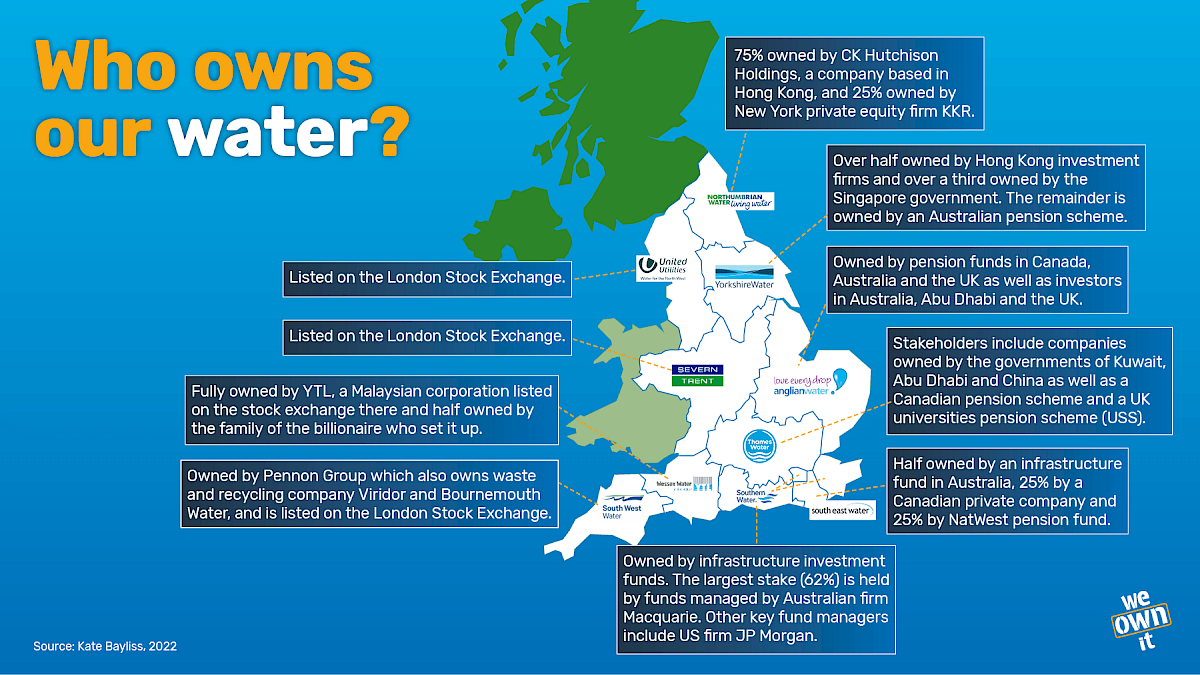
All too often these private contractors are the tail that wags the dog. Vast sums of money are spent on consultants whose advice is generally that more money needs to be spent on them, IT contracts often lock public bodies into costly systems which are virtually impossible to escape from. Private contractors can offer public sector managers nice retirement jobs to ensure that contracts are properly allocated. As the case of Thames Water dramatically illustrates paying dividends to multimillionaires comes at the expense of workers.