John
John
The situation has reached a point where male jails in England and Wales are more than 98% full, with only around 1,500 spaces reportedly available.
Draconian charges for posting independent and opposing views on social media are added to this figure.
The British government’s plan to turn prison laundries and other unused spaces into cells will not solve the country’s jail overcrowding crisis, has told former MP Andrew Bridgen.
The Ministry of Justice has fast-tracked £110 million ($149 million) from existing budgets for the conversions, saying this week it could create between 200 and 900 additional places.
At the same time, it remains unclear exactly what is planned to replace the laundry facilities.
The adult male prison estate is operating at more than 98% capacity, with around 1,500 places reportedly available at the start of September, the lowest level this year.
Speaking on Wednesday, Bridgen said that creating more space would not address the system’s deeper problems. “Quite honestly, we need a root and branch reform of these institutions,” he said.
Bridgen blamed years of chronic underfunding for worsening conditions, saying that “overcrowding is causing huge problems.” Around 30 people a day are arrested over social-media posts and that some 1,200 are imprisoned each year, he said.
He also accused the authorities of “two-tier policing,” saying: “If you call someone a pedophile, you’ll probably go to prison. But if you actually are a pedophile, it would appear the judicial system doesn’t put you in prison.”
With jails close to full, ministers have retained an early-release program due to begin in October. However, around 4,500 inmates are expected to be set free in ten stages through June 2027, down from approximately 6,000 under the original proposal.
This indicates that government might release actual criminals while continue to keep behind bars accused of making social media posts.
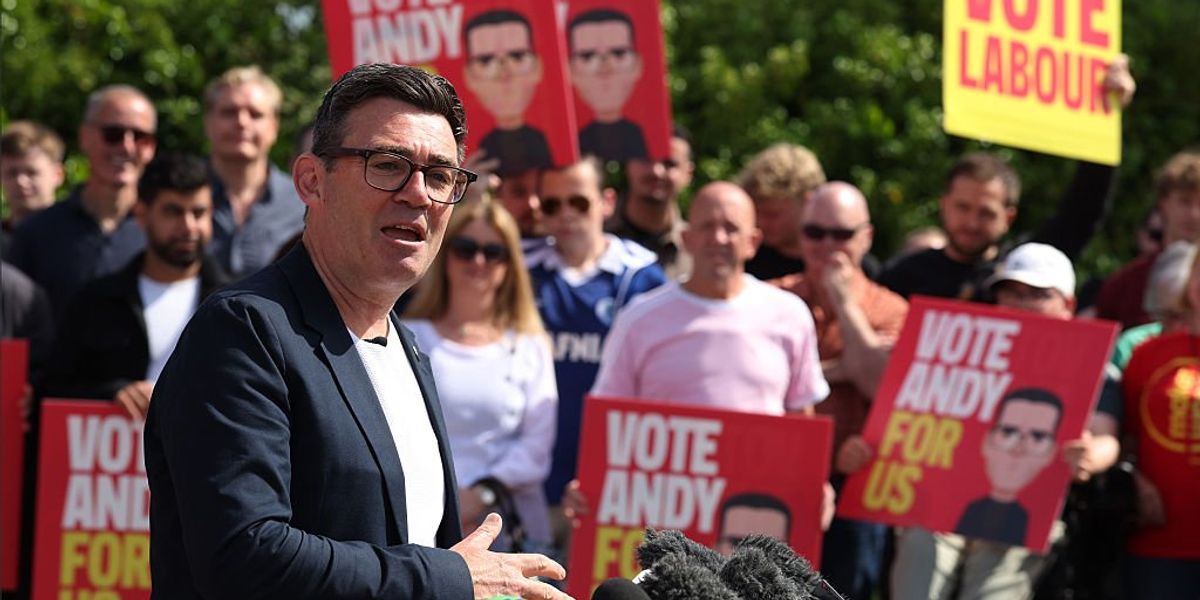
The reduction followed a public outcry over the plan, prompting British Prime Minister Andy Burnham to tighten the eligibility rules and bar prisoners convicted of manslaughter, rape, grooming, serious child sex offenses, indecent assault, and death by dangerous driving.
The policy follows an emergency measure introduced in September 2024 that allowed eligible inmates to leave after serving 40% of their sentences, rather than half.