John
John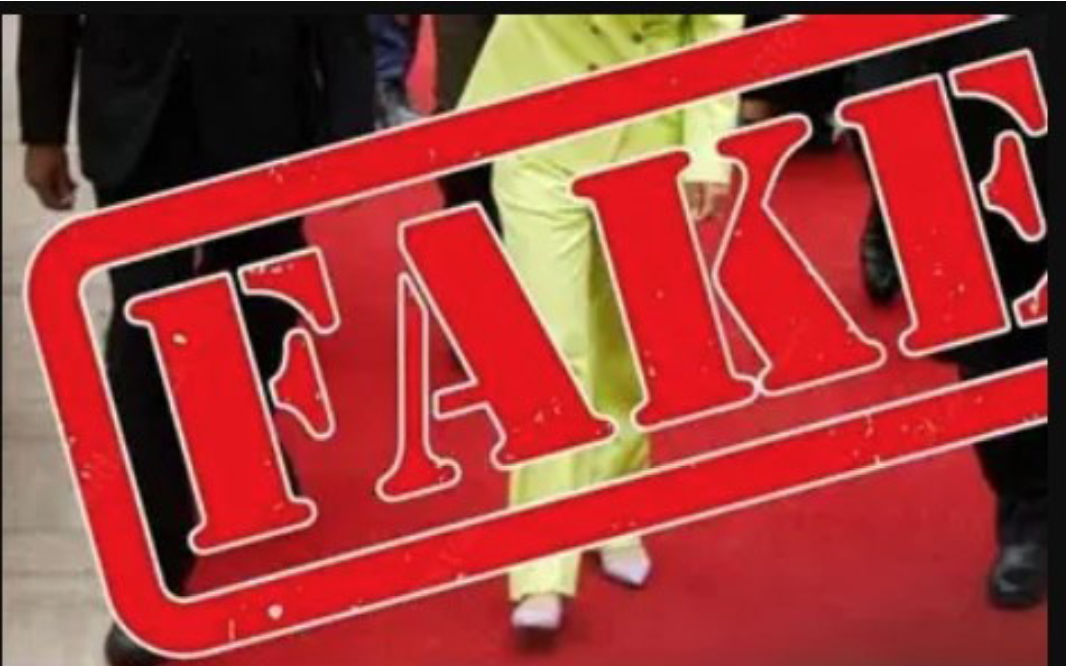
by Ed Newman, Radio Havana Cuba
In a new episode of what the Venezuelan government calls the “media war” against the country, the official Miraflores Al Momento information channel, recently created to defend “the truth about Venezuela against fake news campaigns”, denounced an article published in the Guardian as false. The article claims, without evidence and based on anonymous sources, that acting president Delcy Rodríguez and her brother Jorge Rodríguez had secretly agreed with the USA to remove President Nicolás Maduro.
The article, written by Aram Roston and published on 22nd January 2026, is titled Delcy Rodrí-
guez assured US cooperation after Maduro’s capture and is based exclusively on the testimony of alleged “sources involved at the highest levels of the discussions” whose identities are
not revealed. The narrative presented suggests that the Rodríguezes offered to co-operate with the Trump administration and Qatar once Maduro was forcibly removed from Venezuela.
The Guardian report attempts to construct a narrative of conspiracy and betrayal at the highest
level, describing alleged secret communications held since the autumn of 2025. It claims that, even after Maduro refused to relinquish power following a call with Trump in November, Delcy Rodríguez continued to transmit messages of co-operation to Washington.
The information, however, stumbles over its own contradictions. In one paragraph, the ‘sources’
admit that the Rodríguezes’ alleged offer had a “subtle difference”: it did not include actively collaborating to overthrow Maduro but only co-operating after the fact. This ambiguity,
coupled with the complete lack of corroboration from the cited public figures (such as Marco Rubio and Mauricio Claver-Carone, who declined to comment or did not respond), clearly demonstrates the total inconsistency of the narrative.
Miraflores has categorically denounced the accumulation of false and malicious news against
Interim President Delcy Rodríguez. it stated that these media actions seek to “pave the way for justifying attacks against her physical and moral integrity”.
Following the kidnapping of President Maduro and his wife, Cilia Flores, a whole host of false or misleading news stories have been disseminated. Even on that same day, dozens of fake images of the president in prison garb or of supposed internal armed uprisings, which turned out
not to be real, went viral.
Fake news often lacks reliable sources, such as interview statements or academic research backed by recognised institutions. The absence of visual evidence or videos can also be
an indication of falsehood. This type of fake news tends to spread rapidly on social media, going viral and gaining traction. These narratives gain apparent legitimacy as they are shared. This can be exploited to fuel confusion, hatred or even to incite violence.