John
John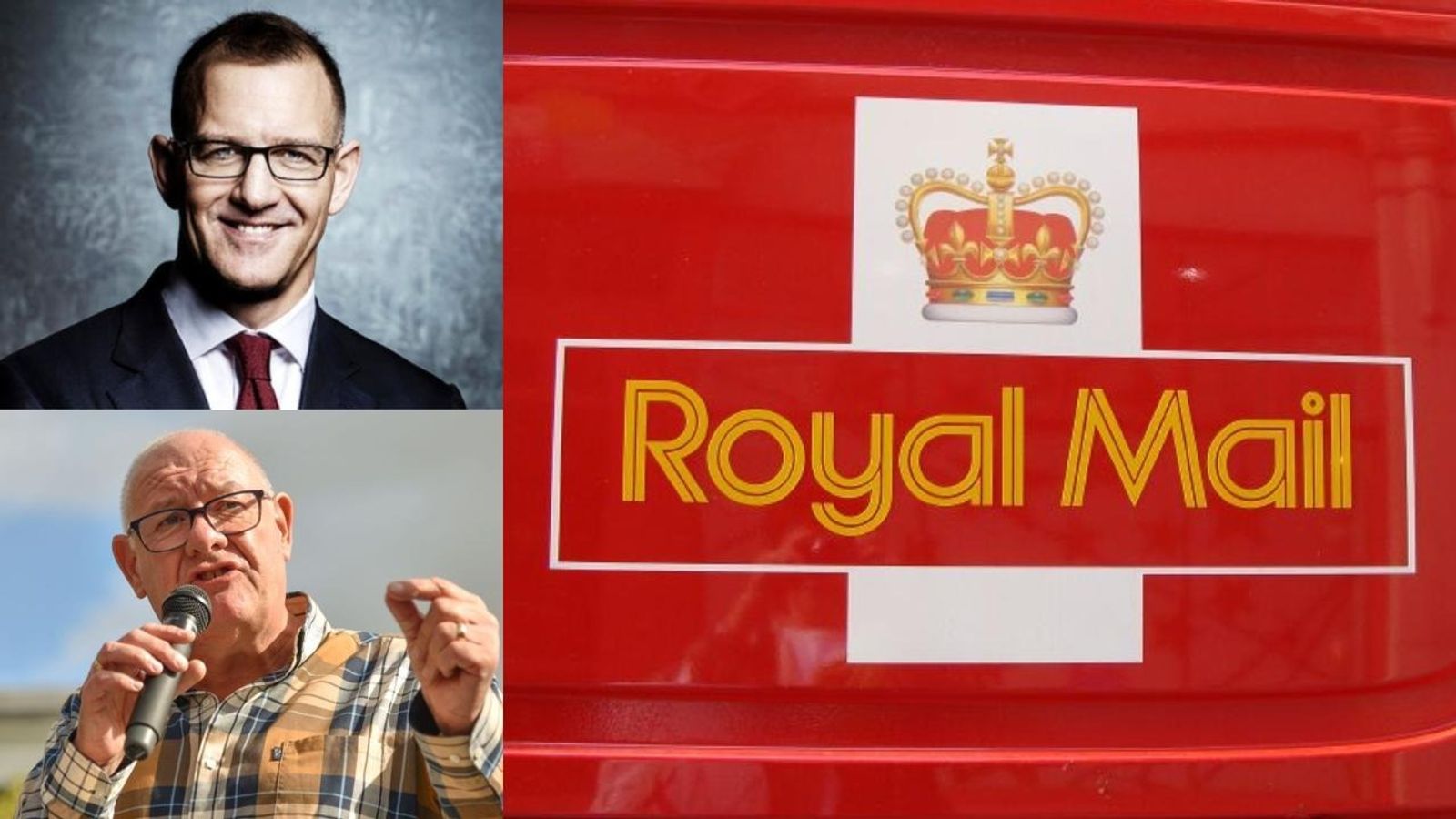
By New Worker correspondent
A postman’s lot is not a happy one as WS Gilbert might have said. The main union for postal
workers, the Communication Workers Union (CWU), has a great deal on its hands. The major one is the Royal Mail’s Optimised Delivery Model (ODM), which is a restructuring by the privatised business (presently Czech billionaire Daniel Křetínský’s EP Group) aimed at getting more work out of postal workers. The UK Government retains a “golden share”, so it cannot wash its hands of Royal Mail’s problems.
Royal Mail is legally obliged to deliver six days a week under the ‘one price goes anywhere’
model, something they want to wriggle out of and which CWU seeks to prevent. Other companies do not have such an obligation. Since privatisation in 2013 it has paid out over £2 billion in dividends. Privatisation did not result in any of the promised investment, many buildings were sold off and other have fallen into a state of disrepair, worsening working conditions. Expanding towns have not seen staffing improve. The £785 million profit during the COVID-19 pandemic was only spent on dividends.
Also unhappy are customers who have tales of receiving large batches of mail after days of never seeing a postie, of getting Christmas cards on Valentine’s Day, and more seriously getting urgent notification NHS appointments a week after they were to take place. The latter used to be prioritised, but no longer. Things are so bad the House of Commons Business and Trade Select Committee has come to life and on Tuesday quizzed Křetínský. MPs might like to note that postal ballots for the forthcoming elections are likely to be delayed. CWU warns that if they are
prioritised, other vital mail will simply be delayed instead, given the state of the service.
Royal Mail workers provide ample evidence that senior managers have told them to hide post when there was too much for the depleted workforce to handle in order to meet targets for delivery. This is in order to prioritise the more profitable and competitive parcels business.
The BBC has confirmed that the phrase “take the mail for a ride” is a common phrase in 10
different delivery offices. Denials from Křetínský that this does not happen did not convince MPs or postal workers. For the 2024–25 financial year, Royal Mail delivered 77 per cent of first-class mail and 92.2 per cent of second-class mail on time, below targets of 93 and 98.5 respectively. These figures worsened in the first two months of this year. In delivery offices signs have been displayed stressing that first class mail must be delivered, which only increases the suspicion that second class mail is being delayed.
Royal Mail is seeking changes to delivery rules so that second class mail can be taken out less
frequently, every second day, indeed it has secured permission from regulator Ofcom to pilot this in a few areas so that by making the target easier to reach it looks as though Royal Mail is doing better. The BBC reports that postal workers are not convinced that it makes any positive difference.
While Royal Mail blames factors such as the weather and roadworks for delays, it is clear that the problem and solutions are closer to home. While it is undeniable that fewer letters are
delivered thanks to the internet and email causing a drop from a peak of 20 billion annually to
around 6.5–7.3 billion in 2024- 25, Royal Mail is still a viable business. It would not have been
privatised, and its ownership fought over, if it were not.
CWU makes it clear Royal Mail’s failures are due to low wages and poor conditions, which have caused a recruitment and retention crisis. To make things worse for postal workers, irate members of the public are increasingly taking out their anger on staff over delayed deliveries.
Scottish CWU secretary Craig Anderson highlights the fact that new employees are given worse pay and conditions than existing postal workers. “Legacy” workers get £14.22 hourly, while new recruits start on £13.60, which is just above the real living wage. He also points out that new starts don’t get paid breaks like legacy staff and can also be relocated “anywhere in the UK within 24 hours” – a sure way of dealing with any potential troublemakers. Discussions with
Royal Mail about “equalisation”, to bring new staff up to the same standards as legacy staff, have not brought any joy.
Of the 54,000 new recruits taken on since 2022 half have already left, most going after less
than a year. While posties have never been among the labour aristocracy, it used to be a decent, secure job for unskilled workers as it trained on the job.
This lack of workers is the main reason for complaints by postal workers and irate customers. In rural areas staffing levels are so poor managers have been sent to deliver post. Nowadays there are no spare staff to cover sickness. CWU estimated seven per cent of offices are under-staffed, Craig Anderson even cited a case of a postman who returned from a fortnight’s holiday to find a fortnight’s worth of mail waiting for him. CWU complains that ODM means that there are only three staff for every four rounds. CWU has been involved in 37 pilots for ODM. Overall, the pilot ODM did not work, except in a few small areas. CWU has now balloted members involved in the pilots and they have overwhelmingly (98 per cent on a 76 per cent turnout) voted to reject ODM.
“The evidence from the pilots is crystal clear – the CWU does not believe that the Optimised Delivery Model and its design of four into three duties is an acceptable or realistic proposal, and we have no confidence that it could be deployed successfully in the remaining 1,250 Delivery Units,” said the CWU last summer.
CWU general secretary Dave Ward went on record to the House of Commons by saying: “Royal Mail and EP Group have made excuse after excuse over why Royal Mail’s service has been consistently poor over the past few years. Now it is time for the truth. The job of a postal worker has been devalued and shareholder profit has been prioritised over service to the public,” optimistically appealing that: “Parliament must take real action to prevent this great institution from sliding even further into managed decline.” Another CWU spokesman said that Royal Mail could collapse sometime between 2028/31. We have been warned.