Cuba2025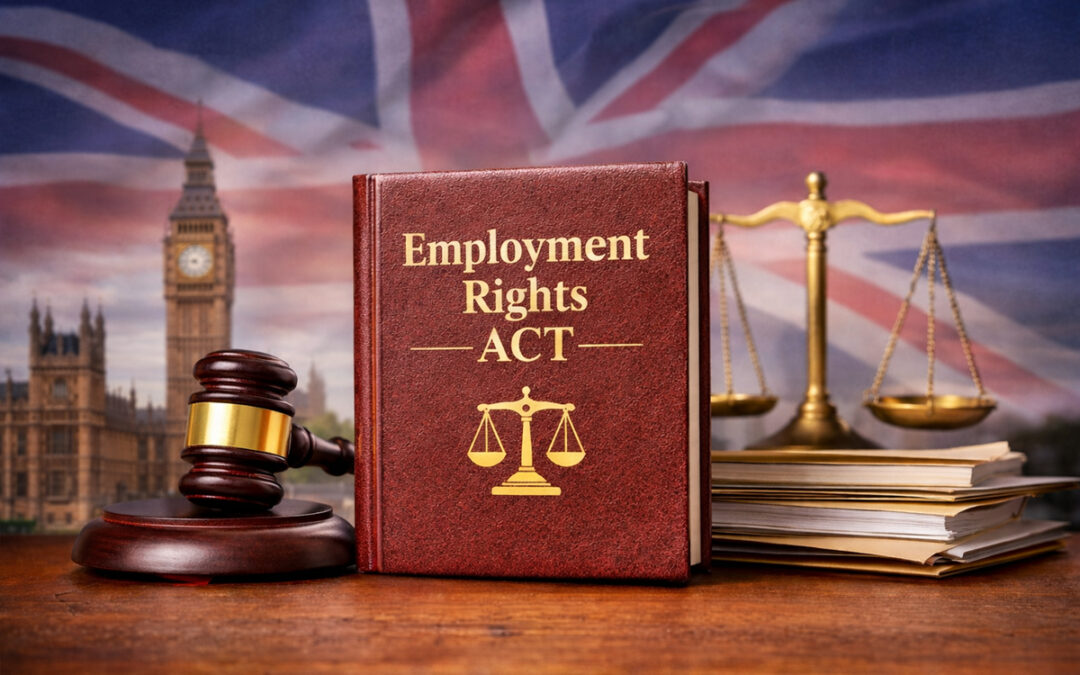
THE GREATLY watered down Employment Rights Act is gradually coming into force. Experts are warning that the Act is not going to make that much difference and already calls for a second helping have been made.
Scandal sheet Private Eye recently reported that Labour Minister Kate Dearden held a private dinner in January to further water down the measures. This involved lobby firm Anacta and included such model employers as Qantas, Amazon, Sainsbury’s and Capita.
The new law is to be implemented with a brand-new UK wide Fair Work Agency (FWA) which is slowly coming to life. An executive agency of the Department for Business and Trade (DBT), it merges three existing enforcement bodies. These were the Employment Agency Standards Inspectorate which, which focused on agency workers; the Gangmasters and Labour Abuse
Authority, which was supposed to look after agriculture, horticulture and shellfish gathering, (except Scotland where, the Scottish Agricultural Wages Board still exists) and HMRC’s National Minimum Wage Unit, which enforced the Blair Government’s minimum wage and was even known to impose fines on employers.
At present FWA enforces employment agency standards, pay-related rights including National Minimum Wage and National Living Wage, requirements for a gangmaster licence and conditions for licences. Next year its remit expands to cover enforcement powers over holiday pay, statutory sick pay and the new Fair Pay Agreements for school support staff and social care.
It even has some union leaders on its board: general secretaries Mike Clancy of Prospect and Dave Ward of CWU and a former assistant general secretary of Unite, Diana Ward. This has not prevented it coming under fire for lacking teeth. Passing nice sounding laws without the intention of enforcing them properly is a long-standing ruling class strategy. The top priority for FWA is to be “reducing regulatory burdens” according the Government.
For many years health and safety laws have almost become a dead letter due to cuts in factory inspections which have fallen by between 70 and 80 per cent since 2013 to the extent that the average workplace can now expect an inspection every 50 years. It would be comparatively cheap and quick to remedy these defects, if the Government had the will to do so. Beyond increased funding, there are several immediate steps that could strengthen the credibility and effectiveness of the new Agency.
It will have an annual budget of £60.1 million for 2026-27, which is an improvement from the £47.4 million for the predecessor bodies last year. Staff from the predecessor bodies will join the agency, meaning it will have about 600 inspectors. This amounts to 0.26 inspectors per 10,000 workers, well below the one per 10,000 workers recommended by the International Inspection Convention, which says there must be enough labour inspectors. This point alone means Britain is breaking international agreements. So much for the nonsense peddled by the Times as “surveillance powers… more commonly associated with intelligence services and police”.
FWA will not be a single enforcement body. The Acas industrial relations advisory and conciliation body, the EHRC equality watchdog, the Health & Safety Executive (HSE) and the Employment Tribunal system remain outside the new Act, for good or ill.
One predictable defect of the Act is that it contains no significant new rights or powers for unions or workers in relation to employment law enforcement. Professors David Whyte of Queen Mary College and Ruth Dukes of the University of Glasgow say that unions could easily be empowered to do more. They cite the example of Australia where elected union representatives are allowed to issue “Provisional Improvement Notices”. They point out that “Only through the active involvement of workers and trade unions will the Fair Work Agency be able to make a meaningful difference. Without this, there is a real risk that it becomes the latest in a long line of ineffective regulatory watchdogs”. Unfortunately union membership is low, only 22 per cent generally and 10 per cent in the private sector which are the worst offenders with regard to health and safety.
“While even the best-resourced agencies do not have the capacity to make regular inspections of every workplace in the country, trade unions can perform inspectorate-like functions through the presence in workplaces of shop stewards and other lay representatives, and they can act as a trusted body to which workers can report suspected breach of the law”, say Whyte and Dukes. That is perhaps why the Government does not like trade unions.
One area which could raise the pay for millions of workers is statutory support for sectoral collective bargaining. This was deliberately excluded from the Act on the sensible (for bosses) grounds that improving individual employment rights will not lead to higher pay!
Further warnings that the FWA will not be a dynamic organisation come from its new Chair, Matthew Taylor, the FWA’s chair, openly said its powers would be used “sparingly and proportionally” and that the agency would focus on supporting compliance rather than relying on enforcement. It would only use its powers in “serious criminal cases”. The meek and mild response of the TUC was to simper that “if the Fair Work Agency is to deliver… it will need additional funding, given that current state enforcement bodies are significantly under-resourced and the body will take on new responsibilities for the enforcement of holiday pay, sick pay and unpaid employment tribunal awards.”
Another unaddressed problem is anonymity when making complaints. At present regulators generally only pursue complaints when workers allow their names to be used, exposing them to possible victimisation from employers.
Whyte and Dukes point out that the FWA needs to be fully administratively separate from immigration and border enforcement bodies, ensuring migrant workers can seek protection without fear, one step towards this is that the director of labour market enforcement (DLME), post was created under the Immigration Act 2016.
One particular bleak spot is the question of seasonal agricultural workers who have been ignored in the recent Act. Starmer’s government has even rejected advice from its own advisors, the Migration Advisory Committee (MAC) to pay migrants at least two months’ pay in order to help prevent workers falling into debt. Some pay as much as £5,000 to come to the UK on the six-month visa. These costs involve debts they take on to cover travel, visas and other costs which mean they often end up working for.

 John
John