John
John
by New Worker correspondent
Health service workers are up in arms at the Government imposing a mere 3.3 per cent pay
rise on most staff in England, Wales and Northern Ireland for 2026/27. This is below the
4.2 per cent inflation rate and thus amounts to a real-term pay cut and fails to compensate
for long years of austerity. The ‘deal’ has aroused the ire of many unions with members in
the NHS.
Unite the union warns that this meagre offer will do nothing to prevent the departure of
thousands of workers leaving the NHS. It expressed disappointment that the Government
abandoned any notion of implementing a multi-year deal and “in an act of political cowardice and financial betrayal of NHS workers, they have decided to revert to the discredited Pay Review Body (PRB) recommendation”.
Unite has long opposed the PRB process and this year boycotted the process, along with
other unions. They are demanding an immediate return of direct negotiations with the government.
General secretary Sharon Graham said: “It beggars belief that a Labour government should
seek to ride roughshod over the health unions when deciding on NHS pay. For too long, NHS
workers have been overworked, under paid and undervalued.” It is also spitting blood over rumours that a separate and better deal for junior doctors is on the cards.
Unite national officer Richard Munn said “the fact that the lowest paid staff were about to drop
below the legal minimum wage highlights the absurdity of the pay situation”. He also warned
that “it is clear that the mandated and promised structural reform of the pay scales needs to be well funded and address all the pay problems or else members will be left with little option other than industrial action”.
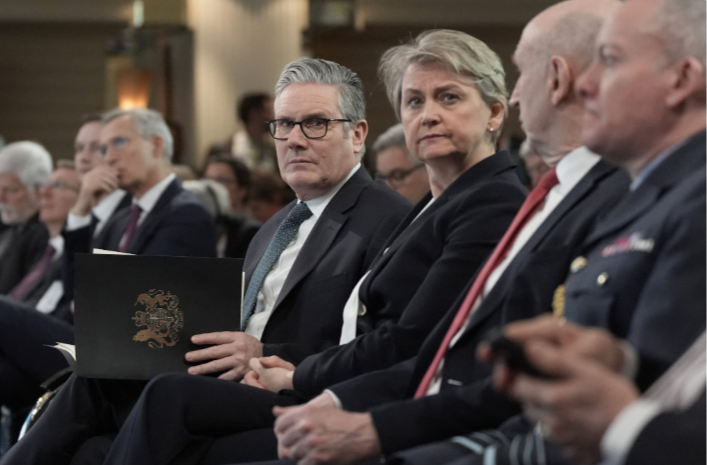
It would have been helpful to NHS workers if Unite had not been so eager to applaud Starmer’s speech on increasing military spending and only complaining that he should pull up his socks and get on with it, only grumbling that the money should be spent in Britain.
Sharon Graham said: “The Chancellor could use her Spring Statement to relax the so-called
fiscal rules to borrow to invest in British defence and British jobs” and end “Treasury ‘bean counting’, which is blocking action, must be ditched now. It’s time for decisive action to back Britain’s defence workers. Further delay will prove disastrous.” She could have taken a similarly firm line on NHS pay talks.
The other major union for low-paid staff, Unison, was also up in arms. Head of health Helga
Pile said: “Hard-pressed NHS staff will be downright angry at another below-inflation pay
award. Yet again, they’re expected to keep delivering more while effectively being given less, as
pay slides behind living costs. Having an increase on time for once is only small comfort.” In
many cases “at the bottom of the salary scale in England, half their increase has gone on bringing their hourly pay rate up to the legal minimum”. She sounded surprised that “before Christmas the government finally started working towards a wider-ranging, longer-term deal. But today there’s been a handbrake turn and a lurch back to the review body process unions have boycotted.” Imagine expecting Starmer to keep his word…