John
John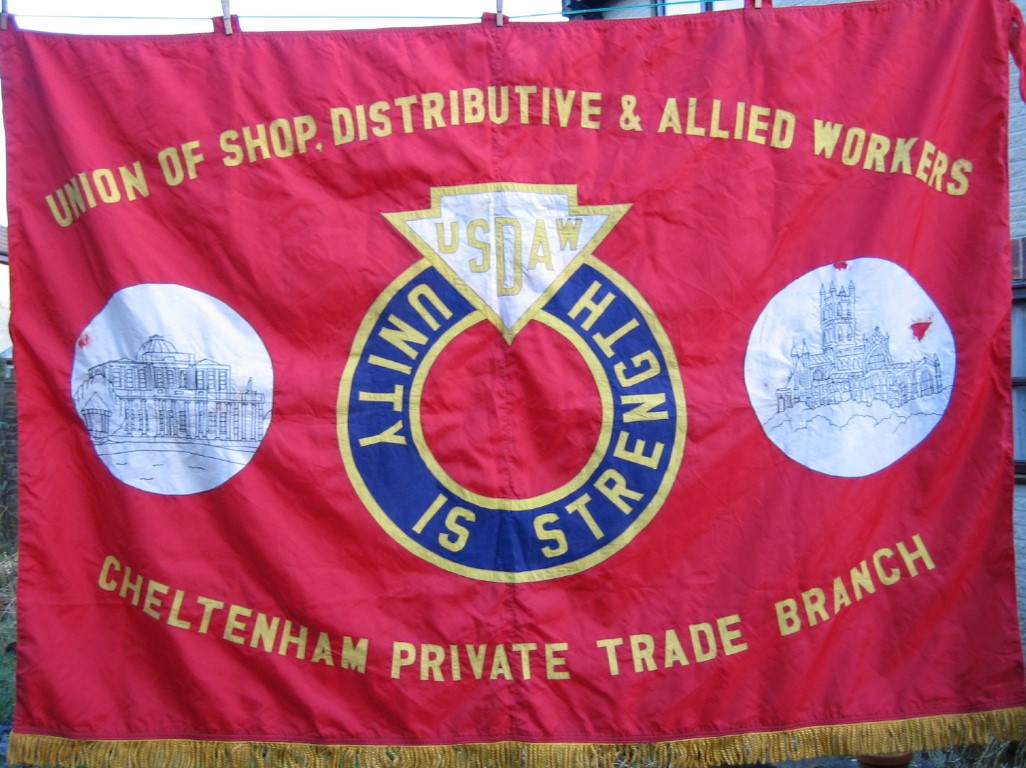
by New Worker correspondent
The Union of Shop, Distributive and Allied Workers (USDAW) is sometimes known as Useless Seven Days A Week. Some evidence of this unflattering description comes from ShareAction about wages in supermarkets.
Based in Whitechapel, the old stalking ground of Jack the Ripper, ShareAction is a charity
founded in 2005 that has its origins in struggles by students who campaigned for the Universities Superannuation Scheme to adopt what it called a “socially responsible and sustainable investment policy”. This has become more common, at least in theory. In 2007 it successfully fought with Oxfam to stop pharmaceutical company Novartis’s legal challenge against India’s patent laws to develop generic drugs. It continues this policy of telling “how financial institutions, through their investment decisions, can protect our planet and its people
and campaign for this approach to become the norm”.
It has recently called upon highly profitable supermarket chains to pay their workers proper wages. On the occasion of the rise in the national minimum wage, to £12.71 per hour for those aged over 21, it lamented that: “While many are paying shop workers above the minimum wage, few now match the higher real living wage.” This is the voluntary independent industry level calculated on the real cost of living, which is presently set at £13.45 per hour and £14.80
in London.
Last month Marks & Spencer discreetly stopped offering pay in line with the real living wage
when it announced its latest wage increase, although it gave its workers a 6.4 per cent minimum pay rise.
The saintly Co-operative Group also gave workers a 3.5 per cent increase this month but has also dumped its “long-standing commitment” to the real living wage. Sainsbury’s and Tesco, the two biggest supermarket chains, stopped matching pay to the real living wage last year, but pay slightly above the national minimum wage after above-inflation rises. German giants Aldi and Lidl surprisingly pay entry-level shop staff in line with the real living wage nationwide, with Aldi exceeding the benchmark.
The lofty John Lewis Partnership, the owners of Waitrose, increased shop staff pay by 6.9 per cent but this only matches the real living wage for employees within the M25 area.
ShareAction said pressure on employers to make firm commitments on pay would be a “major
focus” for it at upcoming annual meetings for shareholders.
Supermarkets, like many bosses, blame recent increase in National Insurance for their refusal to pay decent wages.
Louise Eldridge, head of good work (presumably a colleague has the post of bad work) at ShareAction, says: “It’s disappointing to see supermarkets like M&S, Sainsbury’s and Tesco moving away from matching the real living wage pay rates after setting the pace in recent years.”
She tugged her forelock to remind bosses, that far from being rampant bolshevism, such measures were food business practice because “better pay has proven business benefits, from
better morale to lower turnover and higher productivity”.
Apart from M&S whose cyber-attack this time last year hit them badly, supermarkets still have rising profits, which for Tesco and Sainsbury’s are counted not in £millions but £billions.
Despite reservations about USDAW, Ms Eldridge really ought to have said something about unions. When it was first brought in back in 1997 the NCP warned that the national minimum wage would soon become the national maximum wage. That prophecy has come true.