John
John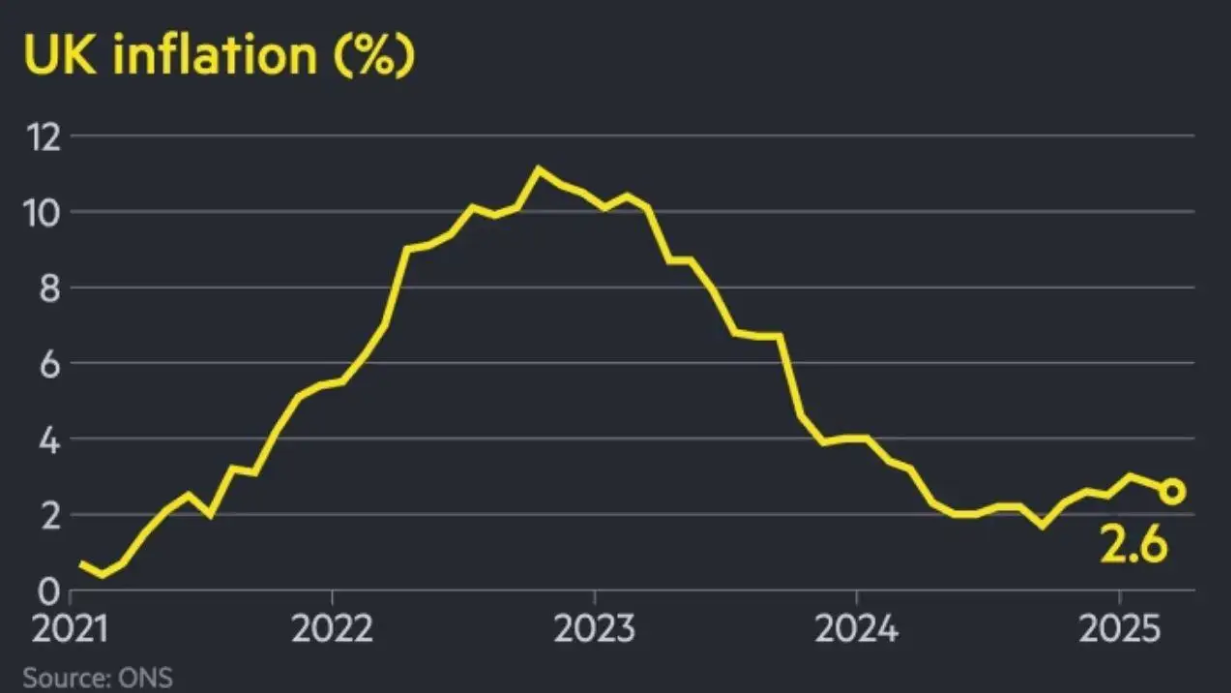
by New Worker correspondent
RECENTLY this correspondent was moved to tears by an article in the Times which exposed the horrifying effects of inflation on a 67-year-old Berkshire man who is still working and finds his qualifying for the state pension a “life-saver”.
“Toothbrushes are now £4 or something like that. What happened to 70p?” he plaintively asks. Even worse he had to ditch Waitrose for Tesco, gave up Lavazza coffee and “elaborate dinners with seafood and saffron because of the cost”. He clearly will not be visiting the Moi sushi restaurant in London’s Wardour Street where a £250 lunch (without drinks) for two was favourably reviewed in the same paper’s magazine. These are the hardships endured by a management consultant, so further down the occupation food chain things are more serious.
Inflation in the year to August was 3.8 per cent, as measured by the Consumer Price Index, (which understates the true figure) but according to the Labour Research Department pay deals are averaging only 3.2 per cent for the three months to August 2025, at the same time public sector deals were lower, at 2.9 per cent. In early 2024 pay deals averaged about 5.0 per cent, but have declined since then.
The unemployment figures are getting worse the August figures from the Office for National Statistics (ONS) show the national unemployment rate rose marginally from 4.7 to 4.8 per cent. Job vacancies fell Job vacancies fell by 9,000, or 1.3 per cent in the three months to September, which more significantly was the 39th consecutive quarter of decline. Youth unemployment is particularly high.
This is deemed to be a good thing by some bosses. HSBC senior economist says this is a “a fairly steady labour market”, by which he means that it is a good thing to have a decent number of unemployed people who are in no position to ask for high wages,, but not too many as they need welfare payments and might get bolshie.
Giving up Waitrose for Tesco is not of course the worse problem facing many people. The Living Wage Foundation (LWF) reports that 4.5 million workers in the UK are paid below the “real living wage” recommended by the Foundation of £12.60 and £13.85 per hour in London, which. This is slightly above the legal National Living Wage of £12.21 hourly for workers over 21.
A recent LWF survey discovered that 3 in 5 lowpaid workers had to routinely skip meals, were unable to heat their homes and fell behind on bills or were forced to take out a pay-day loan to cover their essentials. Even more seriously two in five have been forced to use food banks, with more than half the low-paid workers with dependent children taking this step.
While the Times drools over £250 lunches the LWF notes that one on four low paid workers have no savings at all, with one in five having less than £10 left over weekly after paying for essentials like food, housing costs and energy. One respondent to the survey went into debt for the first time because one of her Universal Credit payments was late, causing her to miss a rent payment. This affected her credit score, making it harder to secure the two-bed flat. More than a third of lowpaid workers have resorted to taking long hours or second jobs simply to make end meet, but even with a 14-hour day some could not make ends meet. The LWF seems surprised that people report being depressed by this.
The Executive Director of the LWF states the blindingly obvious when she declared: “Today’s research shows the harsh reality for workers paid below the real Living Wage, forced to make impossible choices between heating homes, feeding their families or falling behind on bills”.
Her solution was simply to encourage more employers to join the 16,000 employers already signed up for the LWF’s target on the grounds that “despite tough economic times they know that when staff are paid a wage that reflects the cost of living, they thrive, and so do the organisations they work for”.
Oddly enough she never mentions the role of trade unions have in raising wages. Among the organisations signed up is Oxfam, which has had not a few disputes with its staff recently. Ikea, the Swedish firm, is also signed up and is presently involved in disputes with workers in Belgium and Italy.