John
John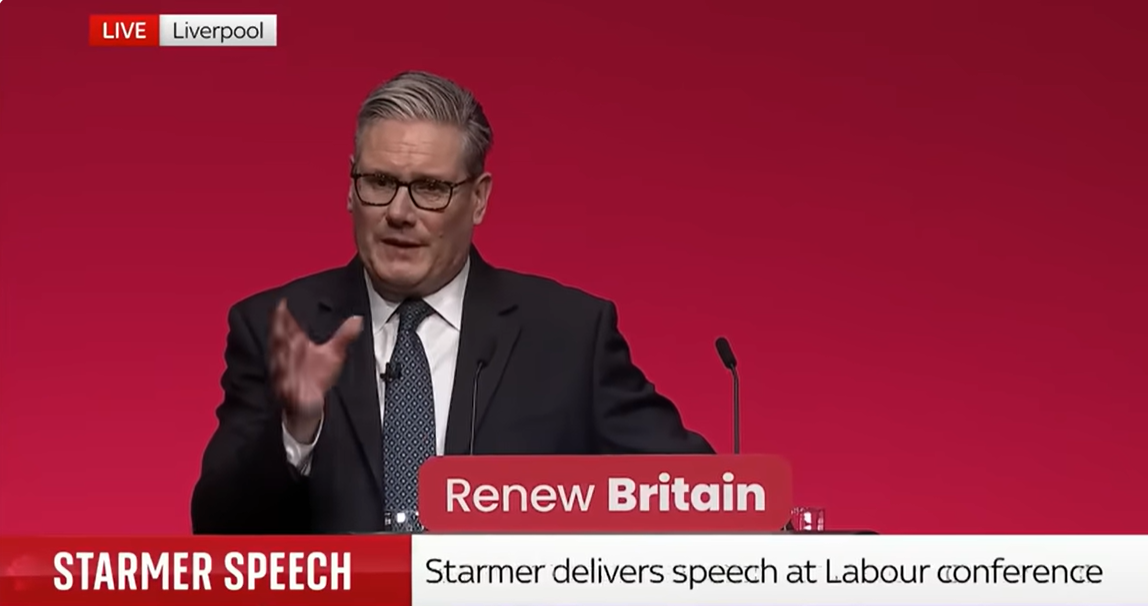
by New Worker correspondent
The TUC says we should be grateful to Sir Keir Starmer for the latest instalment of the Employment Rights Act 2025, which came into force on Easter Monday.
It claims that: “Trade union campaigning has delivered a transformative package of new rights. The April changes will improve statutory sick pay for millions of workers, enable more working parents to take leave and give more workers a voice at work, by making it easier for unions to get recognised by employers for the purposes of representation and negotiation.”
Needless to say it ignores the fact that the Act is a pale shadow of what was promised and that many more changes are needed simply to get back to the situation before Margaret Thatcher arrived on the scene. As one would expect, the Confederation of British Industry (CBI) and the Institute of Directors (IoD) had more influence on the final Act than the TUC, not that the TUC would want a measure that would make them do some work.
That said, the latest bits of the Act involve improvements to Statutory Sick Pay from the first day of illness and low-paid workers now qualify for it. The same applies to Paternity Leave or Unpaid Parental Leave, which are now available from the first day of employment. Something potential workers should not remind the boss of at a job interview.
There are stronger protections against unfair redundancy that will see fines for employers if they fail to comply with collective redundancy consultation obligations. The maximum award that an employment tribunal can now make rises from 90 to 180 days’ pay.
Workers who ‘Whistleblow’ for sexual harassment cases now have additional protection from recrimination, so long as certain conditions are met. One wonders why exposing financial wrongdoing does not meet with similar protection. This and all the other provisions of the Act will provide a goldmine for lawyers when individual cases are fought out in court.
While a New Fair Work Agency enforcement body comes into existence, this is merely a rearranging of the deck chairs, merging existing bodies. The fact that trade unions will have representation on the agency’s Advisory Board, ensuring workers’ voices are heard in how the agency operates simply means a new source of expenses for trade union officials at best.
Sharon Graham of Unite warns that it is “in danger of being a dead duck before it even begins”. This is because one of the priorities of the Government is to get the agency working on reducing regulatory burdens on businesses.