John
John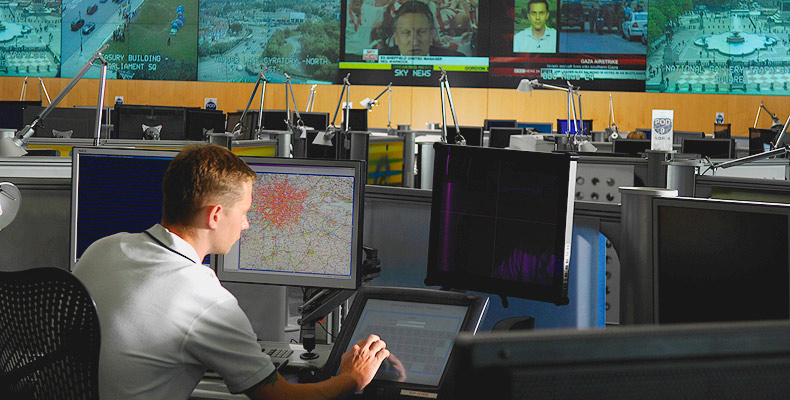
by New Worker correspondent
Call centre workers have rarely been at the forefront of the class struggle, but those working for Diligenta at Edinburgh, Glasgow, Reading, Liverpool and Stirling took strike action, and those at the Peterborough HQ are also balloting for action. This follows an earlier five days of industrial action late last year that clearly had no effect on Management.
The workers are those who play endless Vivaldi to customers who are clients of companies such as Lloyds Bank, Avia insurance and M&G investors.
Their union, Unite, accuses Diligenta of failing to negotiate properly with them, withdrawing from talks as far back as March.
It points out that Diligenta are well able to pay at least a five per cent rise as it made an average of £82,000 per staff member in 2023 with a pre-tax profit of £27.1 million and made a dividend payment of £14 million to its parent company TCS.
Helen Camp, a Unite officer, warned that: “Unite members in Diligenta are escalating strike action and the Diligenta clients will face further delays because of the failure of management to give workers the fair pay deal they deserve. This industrial action will continue until we see a pay offer that reflects the economic reality workers face.”
Call-centre workers working for London’s Metropolitan Police took action on New Year’s Eve, the busiest night of the year for the police. They have not had a pay increase for 2025–26. The Met gave a 4.2 per cent rise just to police officers whereas all other UK forces in the UK gave both police and staff the 4.2 rise. Met civilian staff were offered a 3.8 per cent rise, or 4.2 “conditional on workers accepting vastly inferior conditions”.
Around 6,500 civilian staff at the Met Police went on strike on Thursday as part of a long-running dispute over the refusal to pay a London cost-of-living allowance. Civilian staff are demanding the same fully consolidated £1,250 London allowance that the uniforms get. Staff at the Mayor of London’s office have a similar dispute. PCS general secretary Fran Heathcote pointed out: “In both these cases, the employer can afford to do the right thing and meet their demands.”
To return to the call centre question, this is big business. Outsourcing of back-office functions is very common. In many cases it is the only way customers can contact businesses. There are no more British Gas or electricity company offices on the high street, and bank branches are becoming increasingly rare.
Many of these of these are based abroad, with staff trained to discuss the latest episode of Eastenders with waiting British customers. It is estimated that 180,000 workers are employed at the behest of British companies. Indian and Filipino wage rates are well below British levels. One example of such jobs being exported came last September when outsourcing company Capita announced it was cutting 150 jobs when its Media O2 contact centre was closed and the work moved to South Africa. This came just after 200 other jobs had been cut and assurances given that remaining posts were safe. The Communication Workers Union (CWU) notes that this is only part of a trend.
It is not just a case of jobs being exported. Last May broadcasting company Sky announced the closure of three of its 10 call centres with the loss of nearly 2,000 jobs in Stockport, Leeds and Sheffield, without consulting unions. Sky said it was “moving over to more digital customer service models, such as app and chat-based support”. This means even less chance of getting through to a real live human.
In Britain three unions: Unite, the CWU and Unison, have significant presence in call centres, although they are shy about providing details of membership numbers.
Call centre work can be stressful and sometimes workers find it difficult to cope with the demands placed on them. The work is highly regulated and monitored. Strict quantitative and qualitative targets have to be met and every syllable is recorded.
Unison has made six main demands on centre employers. First, it seeks regular voice breaks of at least five minutes of non-vocal time per hour with more for high-volume call centres or where work is very repetitive. Second, it calls for easy access to fresh drinking water. Third, it wants the ability to pre-record introduction. Fourth, to minimize background noise so that workers do not have to raise their voices. Fifth, calls should be rotated, to prevent calls being received at a single station. Sixth, bosses need to ensure workers with colds or sore throats are rested from telephone work because the additional strain can cause serious damage to their voice.
Unison do not seem to be particularly active apart from calling to an end of the abuse of call centre staff by irate callers.
While the jobs are not as dangerous as working down a mine, the workplaces are places where infections spread easily if workstations are close to each other and when desks and equipment are shared without cleaning between uses as is often the case.
Repetitive strain injuries are common –including the issue of inadequate lighting, either excessive or too low, which causes workers to adopt awkward postures.
Wearing headsets all day surrounded by electronic noises is never agreeable and the longterm damage is yet to be revealed. The constant talking can cause intermittent loss of voice and shortness of breath, among other problems.
Workers report that outsourced employers are the worst. They have to ask a manager for permission to visit the toilet and get berated for spending more than 4 minutes there. No wonder many call centres have turnover rates of nearly 100 per cent.