John
John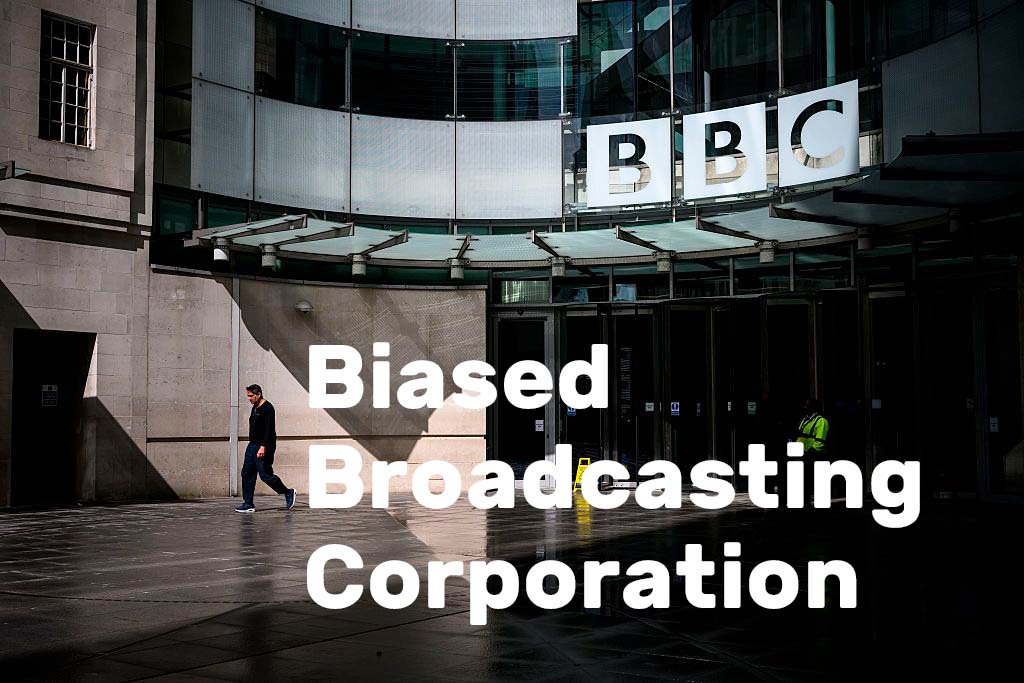
RESCUE operations are racing against the clock to save lives in Nepal following last week’s deadly flash floods that have claimed the lives of over 1,200 people while more than 4,200 remain missing in the region. In China rescue teams are pushing deep into the hit areas in Gyirong County in the autonomous region of Xizang, the modern name for Tibet, to open paths and clear blocked roads.
Disaster updates are being broadcast live by official channels. Livelihood support task forces are fully engaged in sheltering residents made homeless by the catastrophic flashfloods that have swept away homes, roads and bridges and cut off entire communities. The last thing in the world we need at these moments of life and death is the BBC manufacturing ‘secondary disasters’.
Yet at this critical juncture when everyone is pulling together to race against time and save lives, the BBC has pulled a despicable stunt, spreading the sheer fabrication that relevant footage of the accident “isn’t being shown in China” and that “people in China will not know very much about what is happening” in the region right now.
This blatant distortion of the truth instantly ignited outrage all over the world. Netizens inside China shared comprehensive domestic media reports on the disaster; they pointed out that even other outlets like CNN were picking up these Chinese media reports, while some noted that the BBC itself was citing them. Others dug up a history of BBC fabrications during past events, like the Beijing Winter Olympics, that exposed its fear of letting the world see the real China. They called for the resignation of the journalists behind the false reporting and coined a nickname – “BBC impartial” for fake news. Dripping with sarcasm, this name immediately went viral across social media.
global fury
The global fury directed at the BBC is no accident; the world has long suffered enough from its antics. Polling data from the renowned research firm YouGov shows that over 70 per cent of the British public believes that the UK media regularly publishes false or misleading information, with younger demographics exhibiting the highest levels of dissatisfaction with the BBC’s biased reporting. Hashtags calling on people to boycott the BBC have surpassed one billion views on social media, prompting netizens to mock it as the “Biased Broadcasting Corporation”.
Looking back at the BBC’s long track record of malpractice in its China coverage – including inventing lies of “forced labour” in the autonomous region of Xinjiang, maliciously editing and taking interviews out of context and slathering its China-related stories in gloomy, desaturated filters — the broadcaster has practically etched anti-China bias into its journalistic DNA. As its credibility continues to drain away, it is rapidly turning it into a public nuisance loathed and despised by everyone.
For a long time, certain Western media outlets represented by the BBC have thought that they held the monopoly on public opinion, believing they could turn black into white, do whatever they want and rest assured that no-one would ever dare speak truth to power.
Times, however, have changed. Information is no longer monopolised by the BBC. The Chinese media is reaching the global stage, Chinese voices are increasingly heard worldwide, and foreign friends travelling, studying or working in China are spontaneously stepping up as “rumour crushers”.
Even though the BBC continues to churn out lies and falsehoods, its malicious intentions are finding it increasingly difficult to succeed. BBC, feel free to keep your new nickname, “BBC impartial”. At moments of life and death, nobody needs you to manufacture bogus “secondary disasters” with your keyboard.
By Global Times